By: Michael Olugbode
Ghana has urged West African governments to move beyond climate policy commitments and translate them into adequately funded programmes, stronger legislation and coordinated interventions to address environmental degradation, population displacement and insecurity across the region.
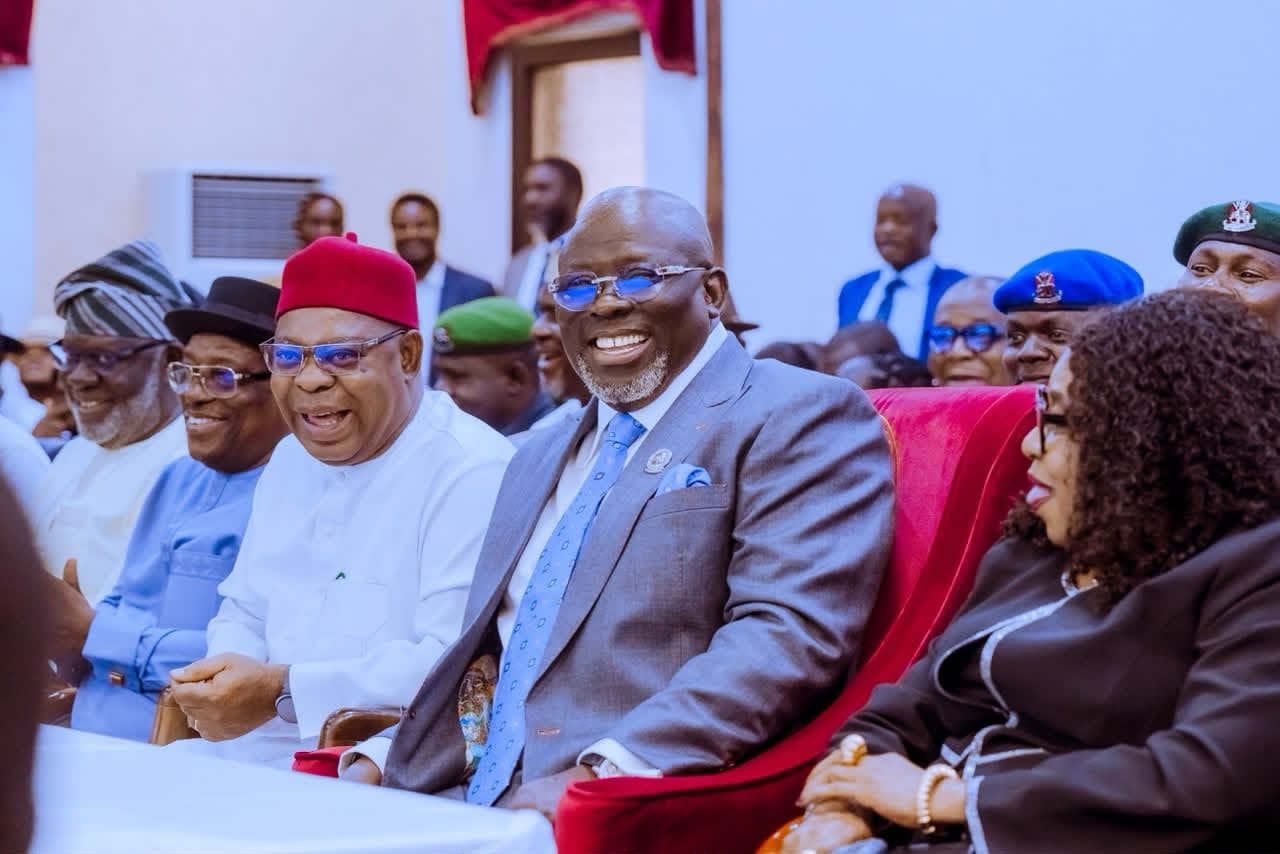
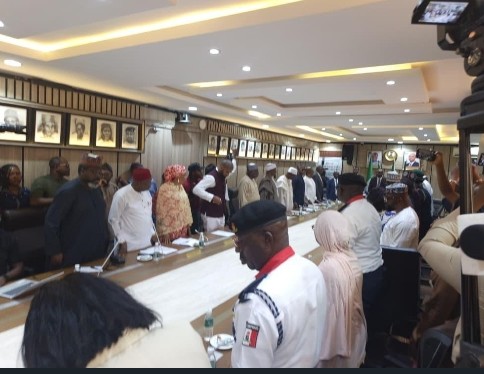
The call came as the ECOWAS Parliament opened its second 2026 Parliamentary Seminar and Second Extraordinary Session in Accra, with discussions focusing on how regional governments can strengthen climate resilience, protect vulnerable populations and prevent environmental pressures from escalating into wider humanitarian and security crises.
Representing President John Dramani Mahama at the opening ceremony, Ghana’s Vice-President, Professor Jane Naana Opoku-Agyemang, said the interconnected nature of the challenges required a coordinated regional response that addressed both immediate emergencies and their underlying causes.
She said environmental stress, insecurity and disrupted livelihoods in one part of West Africa increasingly placed pressure on communities and national systems elsewhere, making isolated national responses inadequate.
Opoku-Agyemang called for stronger early-warning systems, improved support for communities hosting displaced people, more resilient livelihoods and closer coordination across national borders.
“We need stronger early warnings, better support for host communities, more resilient livelihoods and better coordination across our borders, acting before local pressures become wider humanitarian crises,” she said.
She said Ghana was working with ECOWAS to strengthen early-warning mechanisms through improved data sharing, closer cooperation and stronger links between national and regional response systems.
The vice-president also called for greater access to climate finance and increased investment in resilient agriculture, water management, coastal protection and clean energy.
While acknowledging that ECOWAS already had frameworks addressing free movement, disaster risk reduction, climate action and early warning, she stressed that their effectiveness depended on full implementation and adequate funding.
Her remarks placed the emphasis on moving from regional commitments to practical measures capable of protecting communities and reducing the risks associated with climate-related displacement.
The Speaker of the ECOWAS Parliament, Hadja Mémounatou Ibrahima, similarly called on lawmakers to ensure that climate commitments were reflected in legislation, government budgets and concrete action.
She said climate change was increasingly affecting forests, coastlines and livelihoods while contributing to population displacement, making it necessary for national and regional policies to address the wider humanitarian and security consequences.
Ibrahima said parliamentarians had a responsibility to ensure that climate resilience policies incorporated economic, social, migratory and security concerns alongside environmental protection.
“Our role is to ensure that public policy and budgets devoted to climate resilience … contain also the humanitarian dimensions, economic, social, migratory, and security concerns,” she said.
Citing flooding along the region’s coastline, she said environmental emergencies demonstrated the interconnected nature of climate change, humanitarian challenges and insecurity.
She called for practical recommendations to protect vulnerable populations and prevent conflict, stressing the importance of translating regional and national climate commitments into measures that could be implemented.
Her intervention reinforced the importance of legislative oversight in ensuring that climate policies were supported by appropriate budgetary allocations and responsive to the needs of affected communities.
The Ghanaian Parliament also called on ECOWAS member states to strengthen legislation on environmental governance, climate adaptation, disaster preparedness and natural-resource management.
The parliament urged governments to improve protection for displaced people, refugees and host communities, while investing in economic opportunities for young people and women.
It identified climate-smart agriculture, renewable energy and entrepreneurship as areas requiring greater attention in efforts to strengthen livelihoods and help communities withstand environmental pressures.
The proposals linked climate resilience with economic participation, highlighting the need for responses that address both the immediate consequences of displacement and the vulnerabilities that leave communities exposed to environmental shocks.
The Second Deputy Speaker of the Ghanaian Parliament, Andrew Asiamah, who represented the Speaker, AlbanBagbin, said no ECOWAS member state could tackle the challenges alone.
He noted that rivers, ecosystems and environmental crimes crossed national boundaries, requiring cooperation among countries to address shared environmental threats.
Asiamah also stressed the importance of adequate financing, warning that policies without sufficient resources would remain largely aspirational.
His remarks highlighted the need for governments to match regional commitments with the financial resources required to implement them.
The Head of Ghana’s Delegation to the ECOWAS Parliament, Kweku Ricketts-Hagan, said the regional legislature had an important role to play in addressing climate change and insecurity because of its proximity to the people.
He called for a coordinated and holistic approach to the challenges, underscoring the importance of bringing regional perspectives together in developing responses to issues affecting communities across West Africa.
His position echoed the broader message of the seminar that climate-related challenges require cooperation among governments, legislators and communities, rather than fragmented interventions.
Beyond the climate and displacement discussions, the Second Extraordinary Session of the ECOWAS Parliament will consider the institution’s 2027 budget and activity programme.
The budget deliberations come as participants emphasise the importance of adequate financing in translating regional commitments into practical action.
The parliamentary seminar is being held under a theme focused on climate change, environmental degradation, population displacement and growing insecurity across the ECOWAS region.
The discussions have placed implementation, financing and legislative oversight at the centre of efforts to address the region’s interconnected challenges.
For ECOWAS lawmakers, the task is to ensure that regional commitments are translated into funded policies and coordinated interventions that protect vulnerable populations, strengthen community resilience and address the humanitarian and security consequences of environmental change.(The Syndicate.com)