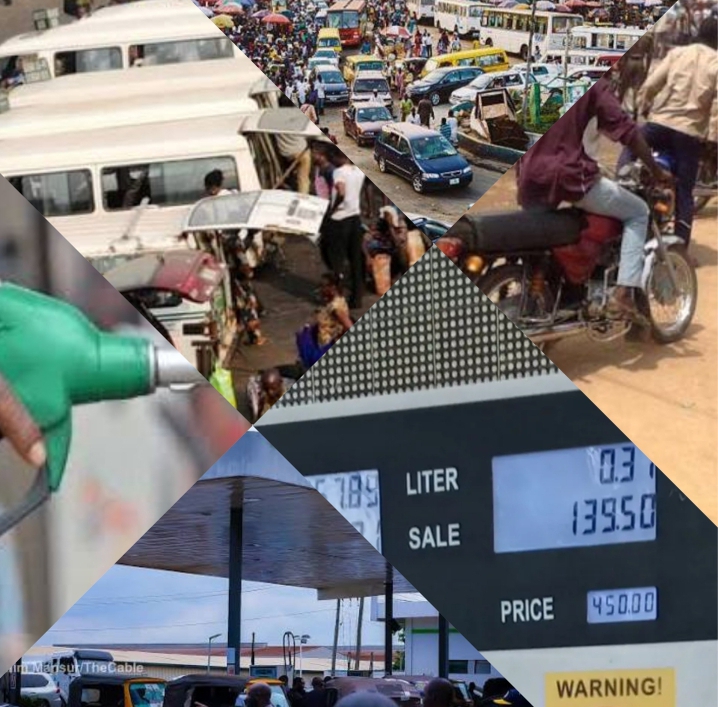
Residents of Ibadan, the capital of Oyo State, woke up on Monday to a sharp increase in transportation fares as commercial drivers, tricyclists and motorcycle operators adjusted their prices in response to the recent rise in fuel costs.
Across several motor parks and major routes within the city, commuters reported paying between ₦100 and ₦500 more than the usual fares for short-distance trips.
The sudden adjustment has left many residents struggling to cope with the rising cost of daily transportation.
For instance, passengers moving from Eleyele to Ido now pay between ₦800 and ₦1,000, while the fare from Eleyele to Mokola has risen to about ₦400. While Government workers moving from Mokola to Agodi Secretariat now Pay #400 to #500.
Mokola Round About to Iworoad now cost #600 to #800.
Similarly, commuters moving from Ologuneru to Eleyele now pay around ₦400 to #500.
Other routes within the metropolis have also recorded noticeable increases.
The fare from Iyaganku to Mokola has climbed to about ₦400, while passengers moving from Olorunsogo to Amuloko now pay between ₦400 and ₦500.
On the Amuloko–Akanran–Ilaji axis, commuters are charged between ₦1,000 and ₦1,500 depending on the vehicle type and time of movement.
In other parts of the city, the fare from Dugbe to Challenge now ranges between ₦500 and ₦8,000, while commuters heading from Challenge to Odo-Ona pay between ₦500 and ₦700.
Commercial drivers attribute the hike to the rising cost of petrol, saying the adjustment has become necessary to cover operational expenses.
The development is not limited to intra-city transportation. Operators of interstate buses and cars have also reviewed their fares upward, with passengers now paying between ₦1,000 and ₦5,000 more than previous rates for trips to different parts of the country.
Transport unions say the increase is a direct consequence of the rising cost of fuel, which has significantly affected the running cost of vehicles nationwide.
For many residents in Ibadan, the latest development has added to the growing economic pressure as households grapple with higher living costs.
Commuters who rely on public transport for daily activities such as work, school and business say the persistent increase in fares is already stretching tight budgets.
Analysts note that the ripple effect of fuel price increases continues to be felt across Nigeria, particularly in the transport sector, which plays a vital role in the movement of people and goods across the country.
They warn that if the trend persists, it could further impact the cost of food, services and other essential commodities.
The development is also linked to the escalating tensions in the Middle East, particularly the closure of the Strait of Hormuz by Iran amid the ongoing conflict in the region.
The waterway is one of the world’s most critical oil transit routes, responsible for the movement of about one-fifth of global crude oil supply.
Its disruption has triggered fears of global oil scarcity and a sharp rise in crude prices across international markets.
Nigeria and several other countries are already feeling the impact through rising fuel costs and transportation fares.
To this end, Economic experts warn that if the conflict persists and shipping through the strait remains disrupted, global oil prices could surge significantly, potentially pushing the pump price of petrol in Nigeria to around ₦1,500 per litre.(News registerng.com)